Ngorongoro Conservation Area
The world’s largest intact volcanic caldera. Black rhino. Lions. Flamingos. 25,000 animals in 260 square kilometres. Ngorongoro is Africa’s most extraordinary natural enclosure.
25,000 Animals in the World’s Largest Intact Volcanic Caldera
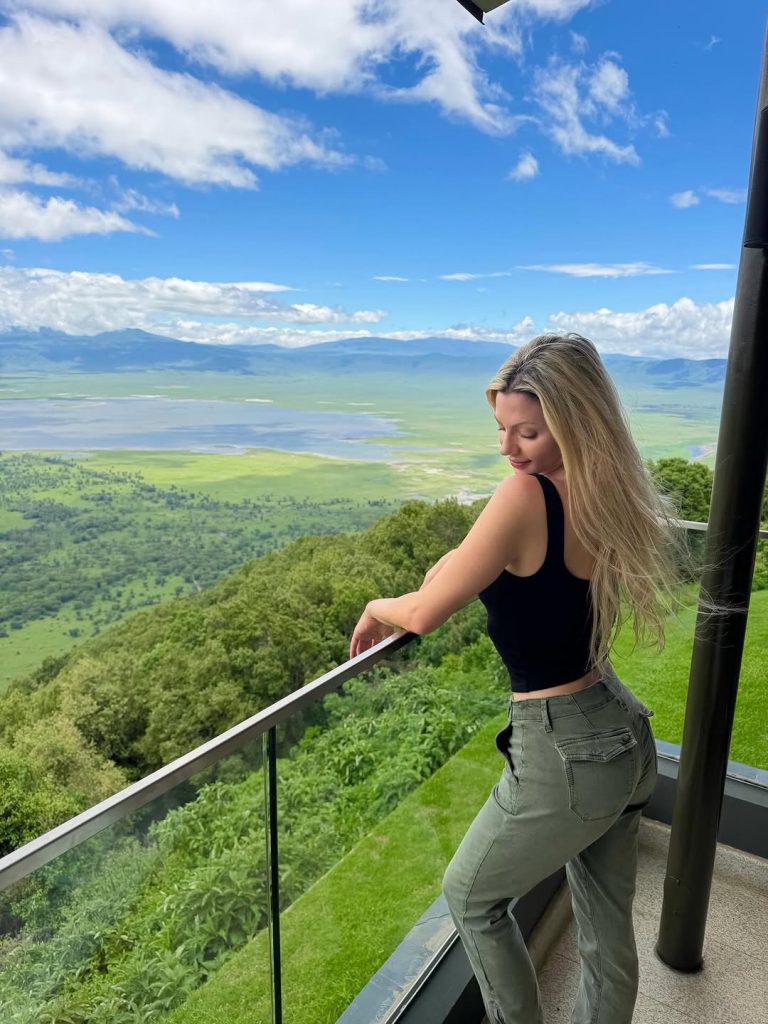
The Ngorongoro Crater — a 260km² volcanic caldera floor — functions as a natural enclosure for one of the highest wildlife densities on earth. Over 25,000 large mammals inhabit the crater floor permanently, creating a concentration per square kilometre unmatched anywhere in Africa. This UNESCO Dual Heritage Site recognises both the extraordinary ecosystem and the Maasai people who have coexisted with the wildlife for generations.
The black rhino population is one of Africa’s most important — these critically endangered animals are reliably encountered on the crater floor. Permanently resident lion prides, enormous bull elephants with massive tusks, Lake Magadi’s pink flamingo shores, and year-round wildebeest and zebra herds make every crater descent an overwhelming experience.
Our 6-Day Tanzania Luxury Safari includes a full crater descent. Book with Apes & Wildlife Safaris.
Conservation area entry $70 per person per day additional. All through Apes & Wildlife Safaris.
Crater rim is at 2,300m — temperatures drop sharply, pack warm layers. No overnight stays inside the crater. Enter at dawn (gates open 6am) to avoid midday vehicle concentrations.
Wildlife & Natural Highlights
Black Rhino
One of Africa’s most reliable black rhino destinations. The crater floor’s contained environment means these critically endangered animals are regularly encountered with expert guiding.
Lions
Permanently resident prides in one of the world’s most studied ecosystems. Multiple prides encountered on virtually every crater descent. The lion density is extraordinary.
Flamingos at Lake Magadi
The soda lake at the crater floor attracts flamingos creating a vivid pink shoreline against the crater walls. Numbers range from hundreds to tens of thousands.
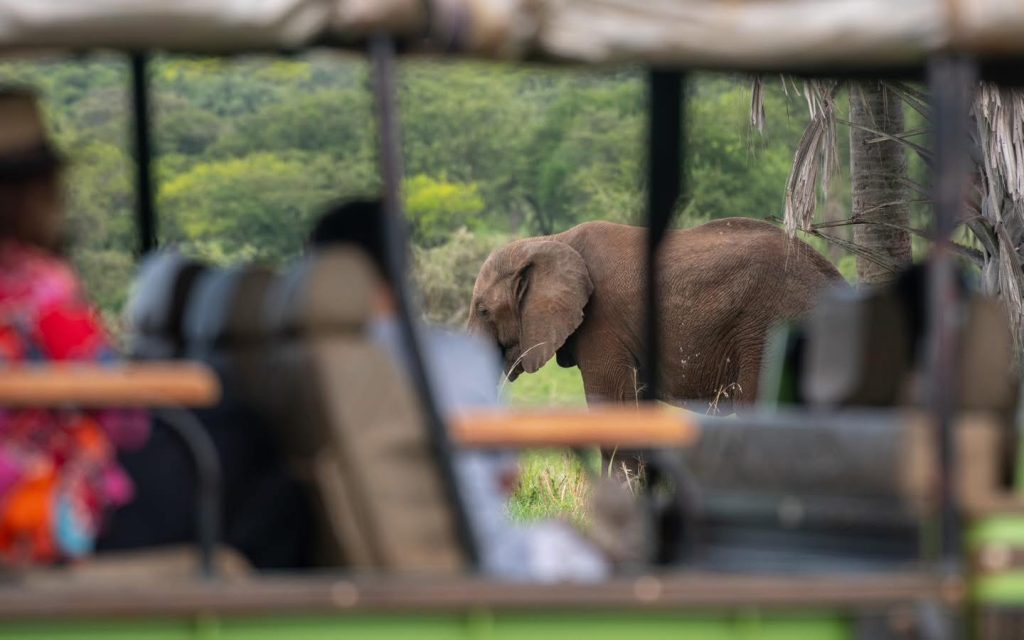
Old Tusker Elephants
The crater floor is famous for old bull elephants with massive tusks — a population of magnificent males that make Ngorongoro one of Africa’s finest elephant photography destinations.
Resident Wildebeest & Zebra
Unlike the Serengeti’s migrating herds, Ngorongoro supports a permanent resident wildebeest and zebra population that remains year-round within the crater’s natural walls.
Olduvai Gorge
Adjacent to the conservation area — where the Leakeys discovered Homo habilis. One of the world’s most important palaeontological sites. A 30-minute stop adds profound historical context.
Key Areas & Experiences
Each zone of Ngorongoro Conservation Area delivers a distinct wildlife experience. Apes & Wildlife Safaris tailors your itinerary to cover the areas that match your interests and travel pace.
A full-day descent delivers Africa’s most concentrated wildlife. The drive from rim to floor is spectacular in itself.
The crater floor soda lake attracts flamingos and water birds. Hippos inhabit the lake’s freshwater inlets year-round.
Two smaller accessible craters — Olmoti (waterfall) and Empakaai (deep crater lake) — for guided walking in pristine wilderness.
Guided tour placing the Serengeti ecosystem in the context of 2 million years of human evolution. Passes directly on the Serengeti road.
Best Time to Visit Ngorongoro Conservation Area
Short grass, excellent visibility. Black rhino and lion most reliably encountered. Most popular season.
Excellent conditions. Fewer visitors than peak season. Crater walls often cloud-free at dawn.
Light rains keep crater floor green. Wildlife remains excellent. Flamingo numbers often increase.
Heaviest rainfall. Outer slopes strikingly green. Crater floor wildlife remains excellent year-round.
Curated Safaris Including Ngorongoro
Every Apes & Wildlife Safaris itinerary is tailor-made and can be extended to include Ngorongoro Conservation Area alongside other parks across Tanzania.
Expert Tips for Ngorongoro Conservation Area
Plan Well in Advance
Peak season for Ngorongoro Conservation Area fills months ahead. Contact Apes & Wildlife Safaris early to secure the best dates, accommodation, and permits for your group.
Stay Multiple Nights
One day in any major African park only scratches the surface. Two to three nights reveals the full depth of the wildlife, seasonal behaviours, and landscapes across different times of day.
Never Miss the Dawn Drive
The first two hours after sunrise deliver the highest predator activity, best photography light, and most concentrated wildlife encounters of any part of the day — always prioritise the early start.
Trust Your Expert Guide
The best wildlife encounters come from guides who read animal behaviour and position the vehicle accordingly. Apes & Wildlife Safaris works exclusively with experienced guides who know their parks deeply.
Combine with Complementary Parks
Ask Apes & Wildlife Safaris about the ideal combination itinerary — pairing Ngorongoro Conservation Area with complementary parks in Tanzania delivers a far richer experience than any single park in isolation.
Take Out Travel Insurance
Comprehensive travel insurance including medical evacuation cover is essential for all safari travel. Apes & Wildlife Safaris can advise on appropriate cover for your specific itinerary and destinations.
Your Tanzania Safari Awaits
Apes & Wildlife Safaris handles every detail — permits, transfers, expert guides, and hand-picked accommodation — from first enquiry to final sundowner.