Kilimanjaro National Park
Africa’s highest mountain at 5,895m. Six trekking routes through five vegetation zones. Equatorial glaciers. The Roof of Africa. Kilimanjaro is the world’s highest free-standing mountain.
Five Vegetation Zones, Africa’s Highest Summit at 5,895 Metres
Kilimanjaro National Park protects Africa’s highest mountain — the 5,895m Uhuru Peak of the Kibo volcanic massif. This UNESCO World Heritage Site is the world’s highest free-standing mountain and Africa’s most iconic trekking destination, attracting over 35,000 trekkers annually on six established routes.
The mountain’s extraordinary ecological progression — from agricultural farmland through montane rainforest, heath, moorland, alpine desert, and arctic summit — passes through five distinct vegetation zones within a 5,000-metre vertical gain. The Machame Route through the southern glaciers and the Lemosho Route’s scenic western approach are the mountain’s finest trekking experiences.
Apes & Wildlife Safaris arranges all Kilimanjaro treks — park permits, certified guides, porters, equipment, and pre/post-climb safari extensions across Tanzania.
Full guided Kilimanjaro trek packages from $1,800 per person (7-day Machame Route) including all permits, guides, porters, and camping fees. All through Apes & Wildlife Safaris.
Altitude sickness causes most failed summit attempts — longer routes (Lemosho, Machame) dramatically improve success rates. Summit night is -15°C to -25°C. No technical skills required but high aerobic fitness is essential for all routes.
Wildlife & Natural Highlights
Six Trekking Routes
Machame (7 days), Lemosho (8 days), Marangu (6 days), Rongai, Umbwe, and Northern Circuit (10 days) offer different approaches, duration, and scenic experiences. Longer routes have significantly higher summit success rates.
Five Vegetation Zones
From montane rainforest (elephants, colobus monkeys) through heath, moorland, alpine desert to equatorial glacier — five entirely different worlds in a single trek, each with its own character and wildlife.
Uhuru Peak at 5,895m
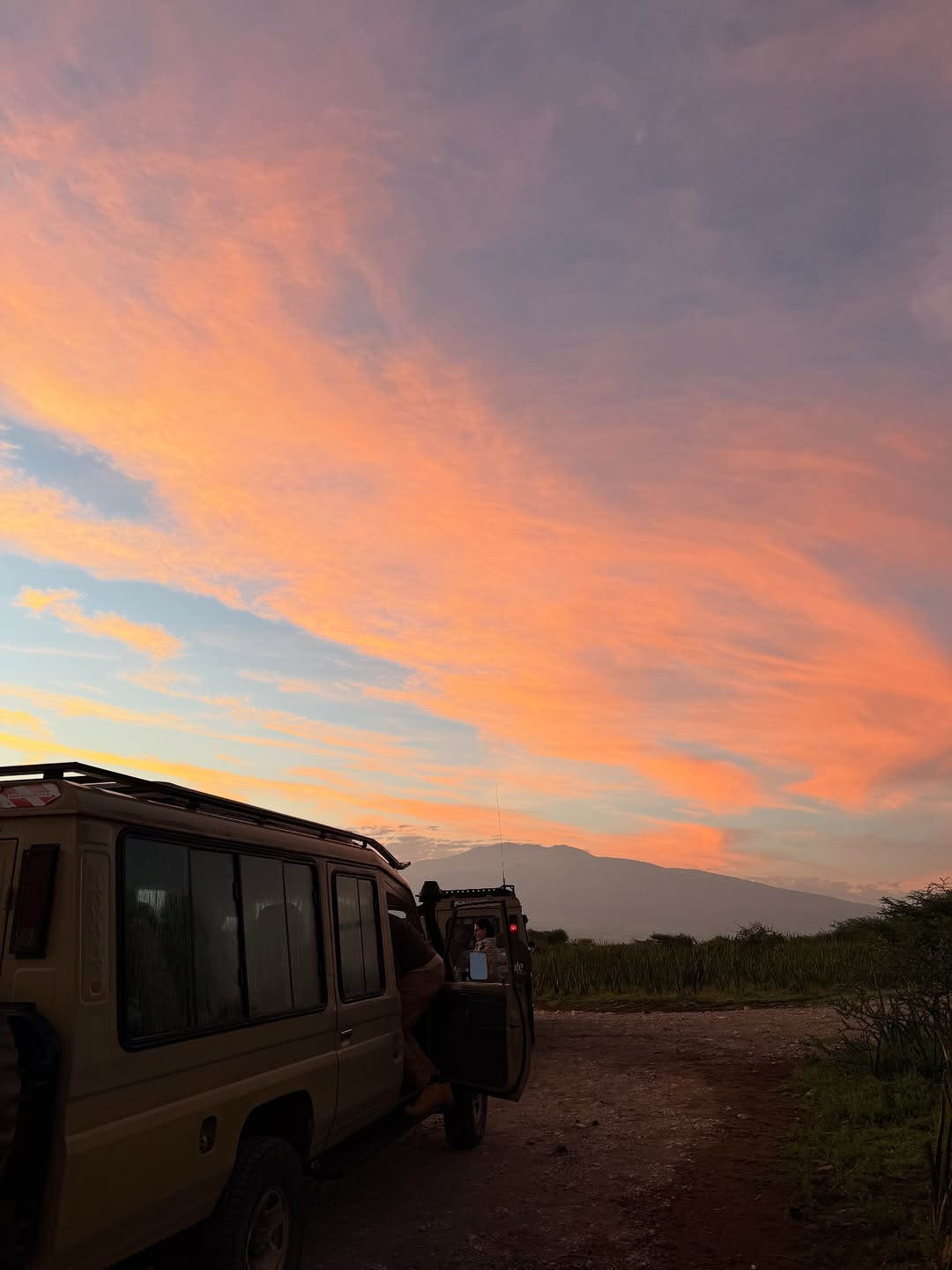
The summit on Kibo’s crater rim. The pre-dawn push arriving as the sun rises over the African plains is one of the most powerful non-technical climbing experiences available anywhere in the world.
Retreating Equatorial Glaciers
Northern Ice Field and other glaciers on Kibo’s summit have retreated over 80% since 1912. Every summit today documents these ancient ice bodies in their final decades.
Forest Wildlife
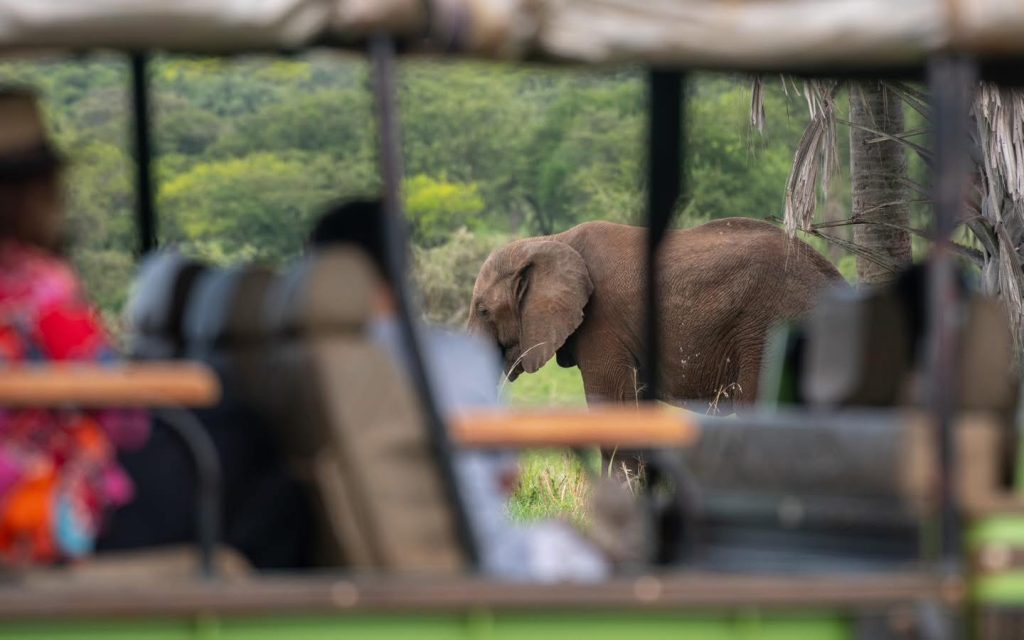
The montane forest zone below 3,000m shelters black-and-white colobus, blue monkeys, elephant (rarely encountered on main routes), and over 100 forest bird species.
Summit Panorama
From Uhuru Peak on a clear morning, all of Tanzania, most of Kenya, and the Indian Ocean on the clearest days are visible. The panorama is incomprehensible in scale.
Key Areas & Experiences
Each zone of Kilimanjaro National Park delivers a distinct wildlife experience. Apes & Wildlife Safaris tailors your itinerary to cover the areas that match your interests and travel pace.
7 days via southern glaciers. Excellent acclimatisation profile, spectacular scenery.
8 days via western breach — finest scenery and best acclimatisation. The connoisseur’s choice.
6 days, the original route with permanent huts. Lower success rate due to insufficient acclimatisation time.
10-day circumnavigation of Kibo. The longest route with the best acclimatisation profile and most remote sections.
Best Time to Visit Kilimanjaro National Park
Clear skies, excellent summit weather and visibility. January is often the finest summit month of the year.
Main trekking season. Clear weather, firm trails. July–August is the busiest — book well ahead.
Light rains on the lower slopes. Summit often above cloud. Some trekkers prefer the empty trails.
Heaviest rainfall. Routes slippery. Lower success rates. Not recommended for summit attempts.
Curated Safaris Including Kilimanjaro
Every Apes & Wildlife Safaris itinerary is tailor-made and can be extended to include Kilimanjaro National Park alongside other parks across Tanzania.
Expert Tips for Kilimanjaro National Park
Plan Well in Advance
Peak season for Kilimanjaro National Park fills months ahead. Contact Apes & Wildlife Safaris early to secure the best dates, accommodation, and permits for your group.
Stay Multiple Nights
One day in any major African park only scratches the surface. Two to three nights reveals the full depth of the wildlife, seasonal behaviours, and landscapes across different times of day.
Never Miss the Dawn Drive
The first two hours after sunrise deliver the highest predator activity, best photography light, and most concentrated wildlife encounters of any part of the day — always prioritise the early start.
Trust Your Expert Guide
The best wildlife encounters come from guides who read animal behaviour and position the vehicle accordingly. Apes & Wildlife Safaris works exclusively with experienced guides who know their parks deeply.
Combine with Complementary Parks
Ask Apes & Wildlife Safaris about the ideal combination itinerary — pairing Kilimanjaro National Park with complementary parks in Tanzania delivers a far richer experience than any single park in isolation.
Take Out Travel Insurance
Comprehensive travel insurance including medical evacuation cover is essential for all safari travel. Apes & Wildlife Safaris can advise on appropriate cover for your specific itinerary and destinations.
Your Tanzania Safari Awaits
Apes & Wildlife Safaris handles every detail — permits, transfers, expert guides, and hand-picked accommodation — from first enquiry to final sundowner.