Gishwati-Mukura National Park
Rwanda’s newest national park. A deforested hillside restored to chimpanzee and golden monkey habitat through extraordinary conservation effort. A forest reborn.
Chimpanzees and Golden Monkeys Return to Rwanda’s Restored Forest
Gishwati-Mukura National Park is Rwanda’s newest national park and one of Africa’s most inspiring conservation stories. The Gishwati forest was almost entirely destroyed by the early 2000s — cleared for agriculture after the 1994 genocide. Through an extraordinary reforestation effort led by the Rwanda Development Board and international partners, the forest has been substantially restored, and the wildlife has returned with it.
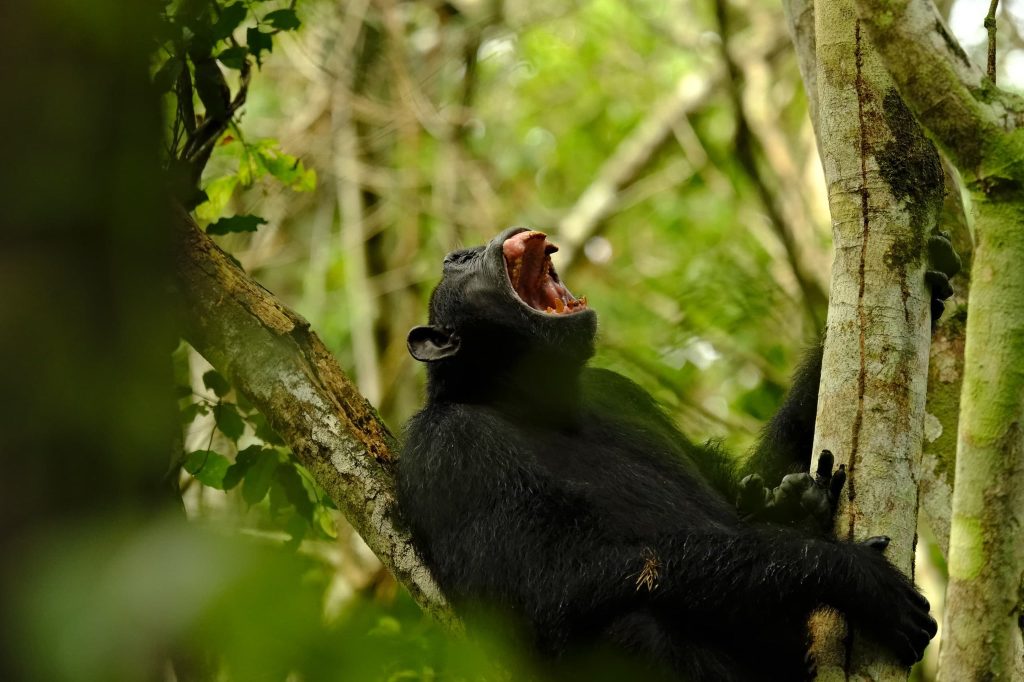
Chimpanzees recolonised the expanding forest naturally as habitat quality improved. Golden monkeys followed. Albertine Rift endemic birds are returning as the forest matures. Visiting Gishwati-Mukura today is witnessing conservation in action — a living demonstration that forest and wildlife can be restored from near-total destruction to functioning ecosystem within a single generation.
Apes & Wildlife Safaris incorporates Gishwati-Mukura into Rwanda’s western conservation circuit, positioned naturally between Nyungwe (south) and Volcanoes Park (north).
Chimpanzee trekking permits approximately $60–90. Golden monkey trekking approximately $60. All through Apes & Wildlife Safaris.
Smaller and less developed than Rwanda’s other parks — infrastructure is basic compared to Volcanoes or Nyungwe. The chimpanzee community is not yet fully habituated — encounters less certain than Nyungwe. The experience feels raw, genuine, and profoundly inspiring.
Wildlife & Natural Highlights
Naturally Recolonised Chimpanzees
Returned naturally as the forest expanded — still being habituated. Encounters carry an extraordinary quality: witnessing wildlife reclaiming its habitat in real time, not the result of artificial reintroduction.
Golden Monkeys
Returned to Gishwati as bamboo and forest zones expanded — visible indicators that the ecological restoration is working. Their presence confirms the forest’s recovery to quality primate habitat.
Returning Albertine Rift Birds
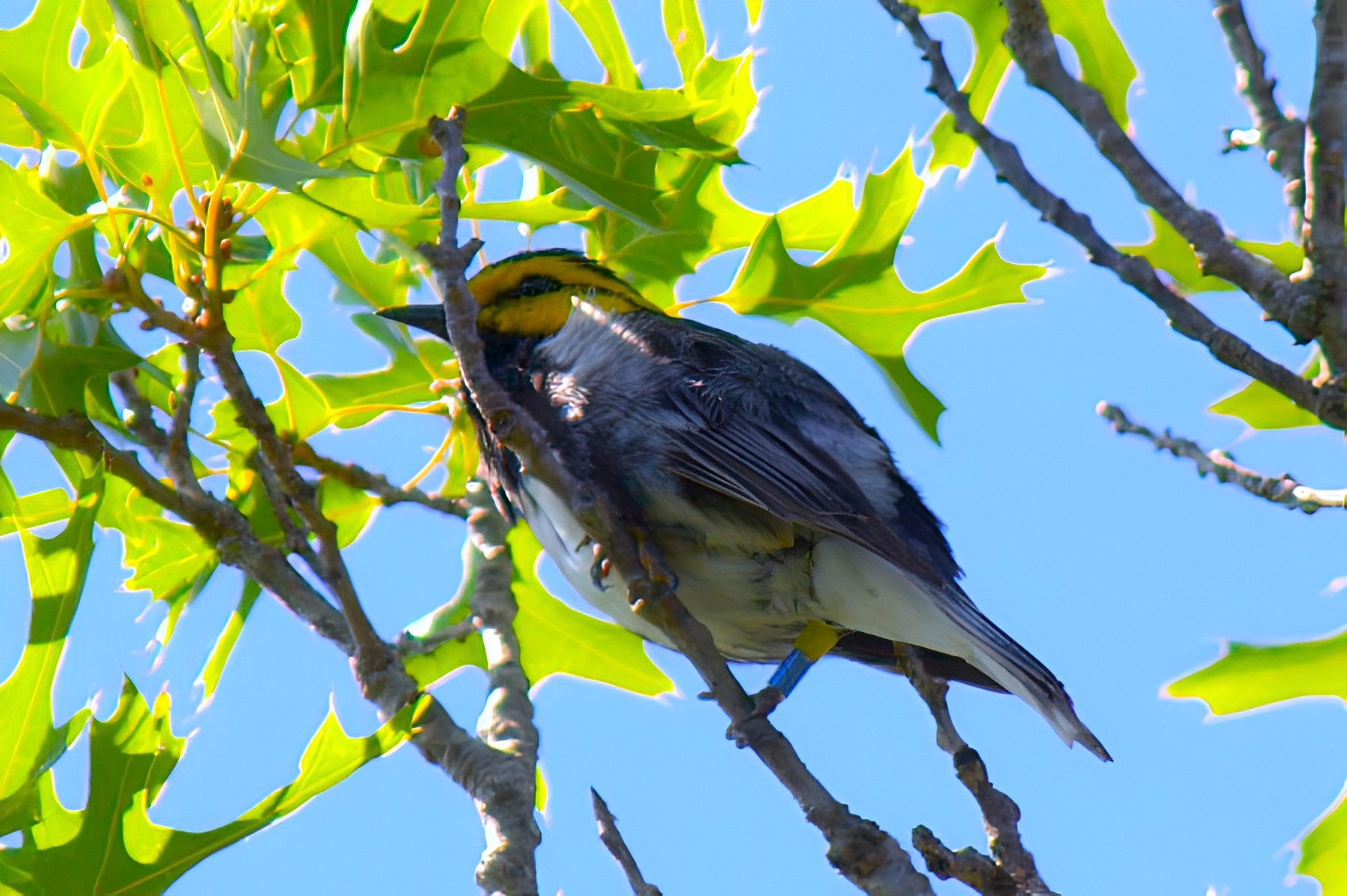
The bird list grows with each passing year as habitat quality improves. A frontier birding destination for those who appreciate discovery over certainty in a forest changing every season.
Conservation Landscape Context
The contrast between the recovering forest and the surrounding tea plantation landscape provides stark visual context — the achievement is visible and measurable from the park’s own margins.
Community Guide Programme
Local communities central to park management benefit directly from tourism revenues. Community-trained guides connect the forest conservation to the human community whose livelihoods now depend on it.
Active Conservation Research
Ongoing research into forest recovery, chimpanzee habituation, and bird recolonisation is conducted here. Conversations with researchers on site add extraordinary depth to any visit.
Key Areas & Experiences
Each zone of Gishwati-Mukura National Park delivers a distinct wildlife experience. Apes & Wildlife Safaris tailors your itinerary to cover the areas that match your interests and travel pace.
The larger forest fragment with the primary chimpanzee and golden monkey trekking areas. Expanding as reforestation continues.
The smaller Mukura fragment — less visited, excellent for Albertine Rift endemic birding in quieter forest conditions.
Walking the boundary between recovered forest and surrounding tea plantations gives vivid, moving context for the conservation achievement.
Community programmes offering insight into how local communities have engaged with the park’s creation and benefit from its existence.
Best Time to Visit Gishwati-Mukura National Park
Best forest walking conditions. Chimpanzee and golden monkey encounters most reliable.
Good conditions. Fewer visitors. Forest beautiful in the dry season light.
Light rains begin. Forest becomes intensely beautiful. Encounters remain possible but less reliable.
Wettest months. Trails slippery. Encounters more challenging but the forest is at maximum beauty.
Curated Safaris Including Gishwati-Mukura
Every Apes & Wildlife Safaris itinerary is tailor-made and can be extended to include Gishwati-Mukura National Park alongside other parks across Rwanda.
14-Day Birding Albertine Endemics Rwanda–Uganda
Expert Tips for Gishwati-Mukura National Park
Plan Well in Advance
Peak season for Gishwati-Mukura National Park fills months ahead. Contact Apes & Wildlife Safaris early to secure the best dates, accommodation, and permits for your group.
Stay Multiple Nights
One day in any major African park only scratches the surface. Two to three nights reveals the full depth of the wildlife, seasonal behaviours, and landscapes across different times of day.
Never Miss the Dawn Drive
The first two hours after sunrise deliver the highest predator activity, best photography light, and most concentrated wildlife encounters of any part of the day — always prioritise the early start.
Trust Your Expert Guide
The best wildlife encounters come from guides who read animal behaviour and position the vehicle accordingly. Apes & Wildlife Safaris works exclusively with experienced guides who know their parks deeply.
Combine with Complementary Parks
Ask Apes & Wildlife Safaris about the ideal combination itinerary — pairing Gishwati-Mukura National Park with complementary parks in Rwanda delivers a far richer experience than any single park in isolation.
Take Out Travel Insurance
Comprehensive travel insurance including medical evacuation cover is essential for all safari travel. Apes & Wildlife Safaris can advise on appropriate cover for your specific itinerary and destinations.
Your Rwanda Safari Awaits
Apes & Wildlife Safaris handles every detail — permits, transfers, expert guides, and hand-picked accommodation — from first enquiry to final sundowner.