Lake Nakuru National Park
The lake turns pink with a million flamingos. White and black rhinos browse the fever tree forest. Lake Nakuru is Kenya’s Rift Valley jewel — compact, vivid, and breathtakingly beautiful.
A Million Flamingos, Black and White Rhino Side by Side
Lake Nakuru National Park is home to one of the natural world’s greatest visual spectacles — a lake that turns entirely pink when hundreds of thousands of lesser flamingos gather along its alkaline shores. The sight of this vast pink mass reflected in the lake surface, with the Rift Valley escarpment rising beyond, is one of Africa’s most jaw-dropping wildlife tableaux.
Beyond the flamingos, Nakuru is Kenya’s most important rhino sanctuary — both black and white rhinoceros are present in significant numbers, making it one of the continent’s most reliable parks for close-range rhino encounters. The endangered Rothschild’s giraffe — also present — makes Nakuru one of Africa’s rarest-species parks per square kilometre.
Just 2.5 hours from Nairobi, Nakuru pairs perfectly with the Maasai Mara, Amboseli, or Lake Naivasha as part of a Kenya circuit. Book with Apes & Wildlife Safaris for a complete Rift Valley experience.
Vehicle fees additional. Boat safaris on the lake approximately $20–30 per person. Rhino tracking walks with rangers available. All bookable through Apes & Wildlife Safaris.
Flamingo numbers fluctuate significantly — they may be absent or present in millions depending on lake algae levels. Black rhino are elusive; white rhino reliably encountered on game drives. The park altitude (1,754m) means cool nights — pack a fleece.
Wildlife & Natural Highlights
Africa’s Greatest Bird Spectacle
Up to 1.5 million lesser flamingos gather on Lake Nakuru’s alkaline shores — a pink carpet visible from space. Their constant movement and calling creates one of Africa’s most animated wildlife scenes at the lakeshore.
Kenya’s Premier Rhino Sanctuary
Both white rhino (broad-lipped grazers, reliably seen) and black rhino (hook-lipped browsers, critically endangered) are present. Both species in the same park is genuinely rare anywhere in Africa.
Ultra-Rare Conservation Success
With fewer than 3,000 remaining globally, Nakuru’s Rothschild’s giraffe population represents a vital conservation success. These giraffes — identifiable by the absence of markings below the knees — are both beautiful and significant.
Fenced Ecosystem Predators
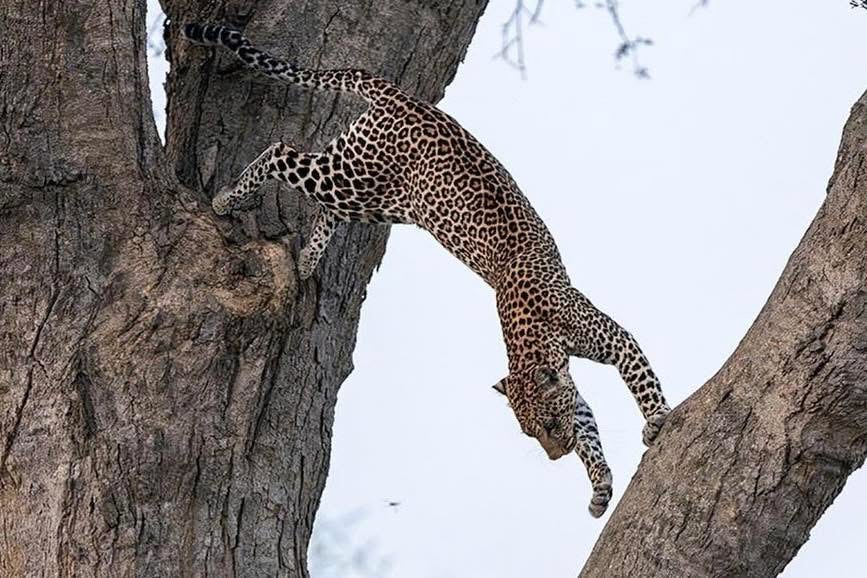
Nakuru is fully fenced, concentrating predators at elevated density. Lions are reliably encountered on game drives. Leopards rest in the yellow fever trees bordering the lake.
Pelican & Fish Eagle Spectacle
Pelicans mass-feed through flamingo flocks in one of the avian world’s most astonishing feeding spectacles. African fish eagle, African spoonbill, crowned crane, and saddle-billed stork are all regularly seen.
Kenya’s Largest Troop
Nakuru hosts one of Kenya’s largest olive baboon troops — groups of 200+ are not uncommon. Baboon social dynamics, infant care, and troop interactions are fascinating on extended visits.
Key Areas & Experiences
Nakuru is compact — the entire park can be circuited in a day, but two days allows dedicated time for rhino tracking and flamingo morning light.
The eastern and southern shores are the primary flamingo viewing areas. Dawn light on the pink shore with pelicans overhead delivers Kenya’s finest bird photography.
The fenced sanctuary concentrates both black and white rhino in trackable habitat. Morning drives with experienced guides routinely deliver both species.
The escarpment viewpoint delivers the full spectacle — the entire lake, flamingo masses, and the Rift Valley to the horizon. The definitive Nakuru overview.
A waterfall in the park’s southern section with guided forest walks delivering cool respite and excellent forest birding in yellow fever tree woodland.
Best Time to Visit Lake Nakuru National Park
Best wildlife conditions. Flamingo numbers most stable. Rhino encounters most reliable with short grass.
Clear skies and excellent early morning light on the flamingo shore.
Short rains keep landscape lush. Bird diversity peaks with migrants. Flamingo numbers often increase.
Flamingos can be present or absent depending on lake chemistry. Wildlife elsewhere in the park remains good.
Curated Safaris Including Lake
Every Apes & Wildlife Safaris itinerary is tailor-made. These packages can be extended to include Lake Nakuru National Park and other parks across Kenya.
12-Day Luxury Africa Trip and Zanzibar Island Beaches
Essential Tips for Lake Nakuru National Park
Visit at Dawn for Flamingos
The flamingo shore at first light — Rift Valley escarpment glowing behind — is Kenya’s finest bird photography opportunity.
Don’t Miss Baboon Cliff View
The panoramic lake view from Baboon Cliff delivers the full scale of the flamingo spectacle in a single image. Essential stop.
Allow Time for Rhino Tracking
White rhino are reliable; black rhino requires specialist knowledge. Dedicate a full morning to rhino tracking.
Combine with Lake Naivasha
Lake Naivasha (30 minutes from Nakuru) adds hippo boat safaris and Crescent Island walking. Apes & Wildlife Safaris frequently combines both lakes in a single day.
Check Flamingo Levels
Flamingo numbers vary dramatically. Apes & Wildlife Safaris monitors conditions and advises optimal timing.
Bring a Telephoto Lens
Flamingos are most spectacular in large groups at distance. A 300–400mm lens captures the full pink lake shore scale.
Your Kenya Safari Awaits
Apes & Wildlife Safaris handles every detail — permits, transfers, expert guides, and hand-picked accommodation — from first enquiry to final sundowner.