Maasai Mara National Reserve
Over 1.5 million wildebeest thunder across open golden plains. The Big Five roam year-round. The Mara River crossings are Africa’s most dramatic wildlife spectacle — and the Maasai Mara is their stage.
One Million Wildebeest, The Big Five Year-Round
The Maasai Mara needs no introduction — this 1,510km² ecosystem in southwest Kenya is Africa’s most celebrated safari destination, where the grasslands stretch to every horizon and the wildlife density defies belief. The Big Five are here year-round: lion, leopard, elephant, buffalo, and black rhino all present across every season.
But it is the Great Migration — the annual movement of over 1.5 million wildebeest, 200,000 zebra, and 350,000 gazelle from Tanzania’s Serengeti into the Mara — that elevates this reserve beyond all others. The Mara River crossings, where crocodile-infested waters must be navigated by desperate herds, are one of nature’s most extraordinary spectacles, July through October.
The Mara also delivers the highest cheetah density in Kenya, wild dog packs, and lion prides among the most studied in Africa. Apes & Wildlife Safaris builds your perfect Mara itinerary — from camp selection to game drive strategy.
Balloon safari approximately $450–550 per person (pre-book — fills weeks ahead). Private conservancy fees additional. Vehicle entry fees apply. All bookable through Apes & Wildlife Safaris.
Book camps 6–12 months ahead for July–October. The Mara is at high altitude (1,500m) — nights are cool. Malaria prophylaxis required. Off-road driving is restricted — choose a guide with deep Mara knowledge over one who simply follows radio calls.
Wildlife & Natural Highlights
The World’s Greatest Wildlife Show
July–October brings 1.5 million wildebeest into the Mara from the Serengeti. The river crossings — wildebeest plunging into crocodile waters by the thousand — are nature’s most intense wildlife theatre. No two crossings are alike.
All Year, Every Game Drive
Lion prides, leopards in riverine trees, elephant herds, buffalo wallows, and black rhino in the thicket — all present every month. The Mara’s Big Five density is among the highest on the continent.
Kenya’s Highest Density
The Mara Triangle and surrounding conservancies support remarkable cheetah populations. Coalition males are frequently photographed. High grass and abundant prey create ideal hunting conditions across the reserve.
Packs in the Conservancies
African wild dogs — one of the continent’s most endangered predators — patrol the private conservancies surrounding the reserve. Apes & Wildlife Safaris guides know the current pack territories for the highest encounter probability.
River Tree Specialists
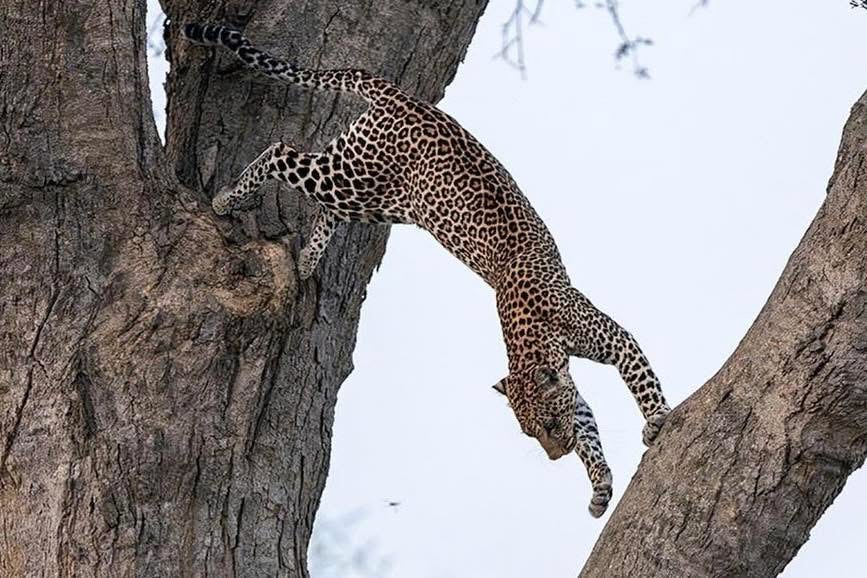
Leopards are reliably encountered in the fig trees and rocky outcrops bordering the Mara River. The Mara’s open woodland delivers better leopard visibility than most African parks.
Warriors and Pastoral Tradition
The Maasai have coexisted with the Mara’s wildlife for centuries. Cultural visits to authentic manyattas reveal warrior traditions, cattle-herding culture, and the vibrant beadwork that defines Maasai aesthetic identity.
Key Areas & Experiences
The Mara divides into the main National Reserve, the Mara Triangle, and private conservancies including Mara North, Naboisho, and Olare Motorogi — each with distinct character.
The western section, managed separately by the Mara Conservancy, has controlled vehicle numbers and excellent lion and cheetah territory. The Triangle during migration season is extraordinary.
Crossing points at Lookout Hill and Paradise Plain are where thousands of wildebeest plunge into crocodile waters. Patience and expert positioning are everything — Apes & Wildlife Safaris guides know exactly where to be.
Mara North, Naboisho, and Olare Motorogi offer strict vehicle limits, night drives, and walking safaris unavailable in the main reserve. The most exclusive Mara experience.
The southeastern conservancies are prime territory for wild dog packs and resident cheetah families with very low visitor pressure.
Best Time to Visit Maasai Mara National Reserve
River crossings peak August–September. Wildlife density extraordinary across the ecosystem. Book 12 months ahead.
500,000+ wildebeest calves born in southern Serengeti. Predator activity at its most intense across the border.
Migratory birds arrive. Landscape greens. Resident wildlife excellent. Lower visitor numbers.
Wettest months. Roads challenging. Wildlife excellent but drives require 4WD.
Curated Safaris Including Maasai
Every Apes & Wildlife Safaris itinerary is tailor-made. These packages can be extended to include Maasai Mara National Reserve and other parks across Kenya.
12-Day Luxury Africa Trip and Zanzibar Island Beaches
Essential Tips for Maasai Mara National Reserve
Arrive 3–4 Days Minimum
One day scratches the surface. Three or four days across multiple circuits reveals the Mara’s true depth.
Book Migration Dates with Flexibility
River crossing dates cannot be guaranteed — wildebeest follow rainfall. July 20–September 30 is highest probability. ±2 weeks flexibility dramatically improves crossing chances.
Stay in a Private Conservancy
Night drives, walking safaris, and dramatically lower vehicle numbers make conservancy camps the most exclusive Mara experience.
Do the Balloon Safari
A dawn balloon flight over the Mara followed by champagne bush breakfast is one of Africa’s iconic luxury experiences. Pre-book — fills weeks ahead during migration.
Combine with Amboseli or Samburu
Mara pairs perfectly with Amboseli for Kilimanjaro elephant photography, or Samburu for Kenya’s rare northern species.
Trust Your Guide’s Instinct
The best Mara encounters come from reading animal behaviour and positioning early — not chasing every radio call.
Your Kenya Safari Awaits
Apes & Wildlife Safaris handles every detail — permits, transfers, expert guides, and hand-picked accommodation — from first enquiry to final sundowner.