Nairobi National Park
Lions against a city skyline. Rhinos within sight of office towers. Nairobi National Park is the world’s only capital city safari — wild Africa 10 kilometres from the CBD.
Lions, Rhinos, and Leopards Against the Nairobi Skyline
Nairobi National Park is one of the world’s most extraordinary conservation stories — a 117km² wilderness pressed against the edge of Africa’s fourth-largest city. This is the only national park in the world where lions hunt with skyscrapers on the horizon, and where black rhinos browse acacia scrub with commercial aircraft overhead.
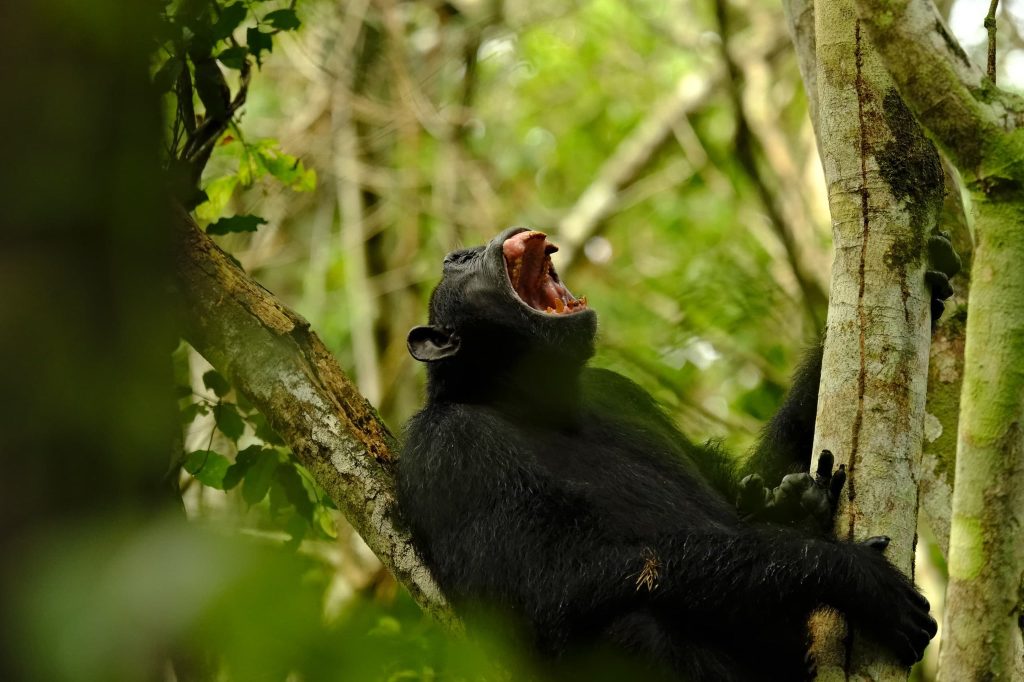
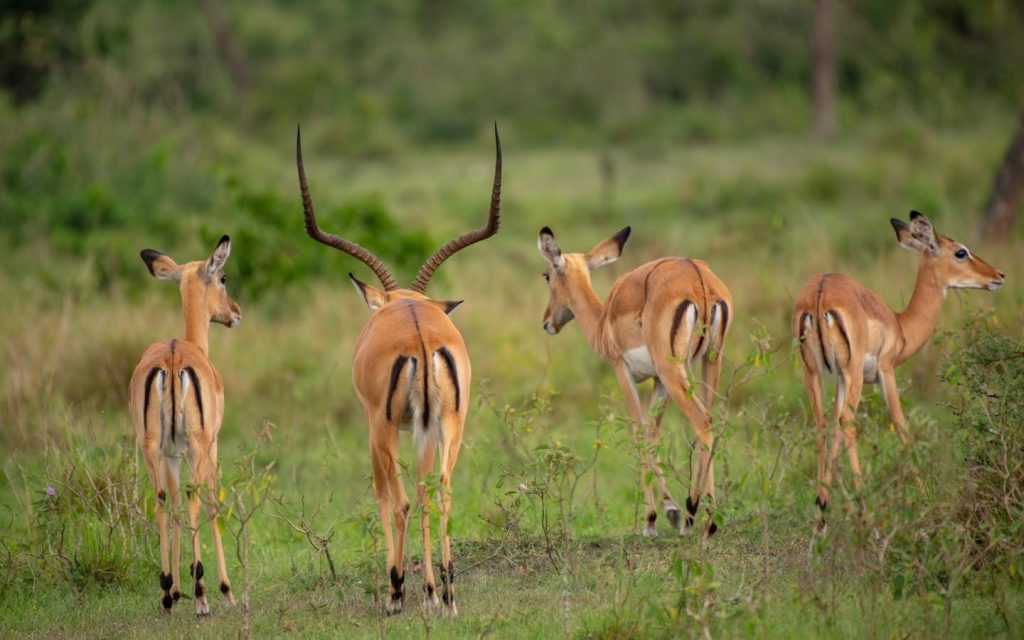
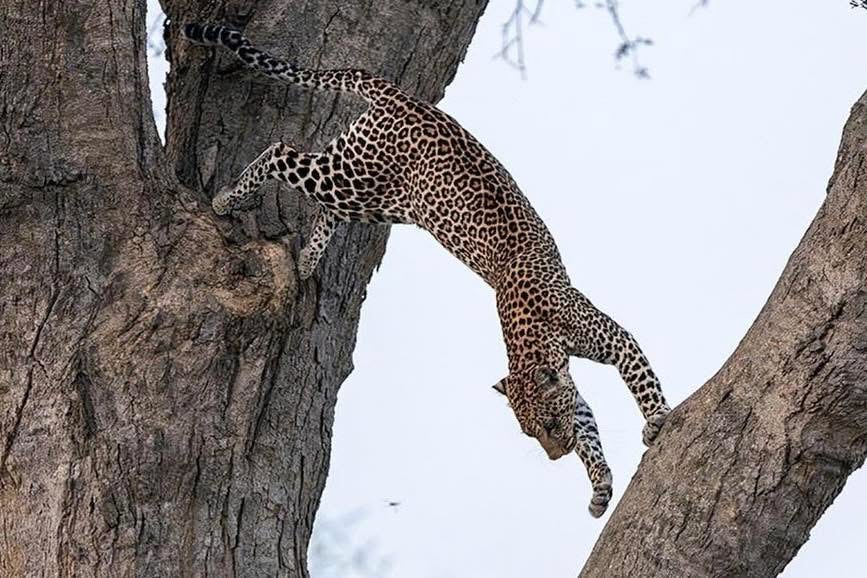
The park is critical to the greater Nairobi ecosystem — wildebeest and zebra migrate seasonally through the Athi-Kapiti plains to the south. It hosts one of Kenya’s most important black rhino populations. The open plains support cheetah and lions, and the Mbagathi River’s forested margins shelter leopards and remarkable forest birds.
For travellers passing through Nairobi, the park delivers a full game drive experience within 20 minutes of the city centre. Apes & Wildlife Safaris incorporates Nairobi National Park into arrival and departure day itineraries seamlessly.
Vehicle fees additional. David Sheldrick Elephant Orphanage (adjacent) approximately $40. Giraffe Centre is a popular additional activity. All bookable through Apes & Wildlife Safaris.
Nairobi traffic approaching the park during peak hours can be significant — depart before 7am for morning drives. The park is fully fenced on the city side but open south to the Athi-Kapiti ecosystem. Wildlife numbers fluctuate seasonally.
Wildlife & Natural Highlights
City Predators
Resident lion prides inhabit the park and hunt the plains game with city towers as their backdrop. The sight of a pride moving across the savanna with Nairobi’s skyline behind them is one of Africa’s most surreal and iconic images.
Critical Urban Conservation
Nairobi National Park supports one of Kenya’s most important black rhino sanctuary populations. Rhinos reliably encountered — particularly in the park’s western sections near the Mbagathi River.
Open Plains Hunters
Cheetah are regularly encountered in the park’s open central grasslands. The short grass and relatively low prey pressure create excellent cheetah hunting conditions within one of the world’s most unusual safari environments.
Seasonal Spectacle
In dry season, wildebeest and zebra migrate from the Athi-Kapiti plains into the park through the southern open corridor, bringing herds of several thousand animals to the park’s edge.
Elephant Conservation
Adjacent to the park, the David Sheldrick Wildlife Trust runs the world’s most successful elephant orphan rescue and rehabilitation programme. The 11am visiting hour — when orphan elephants are fed and interact with keepers — is deeply moving.
400+ Species
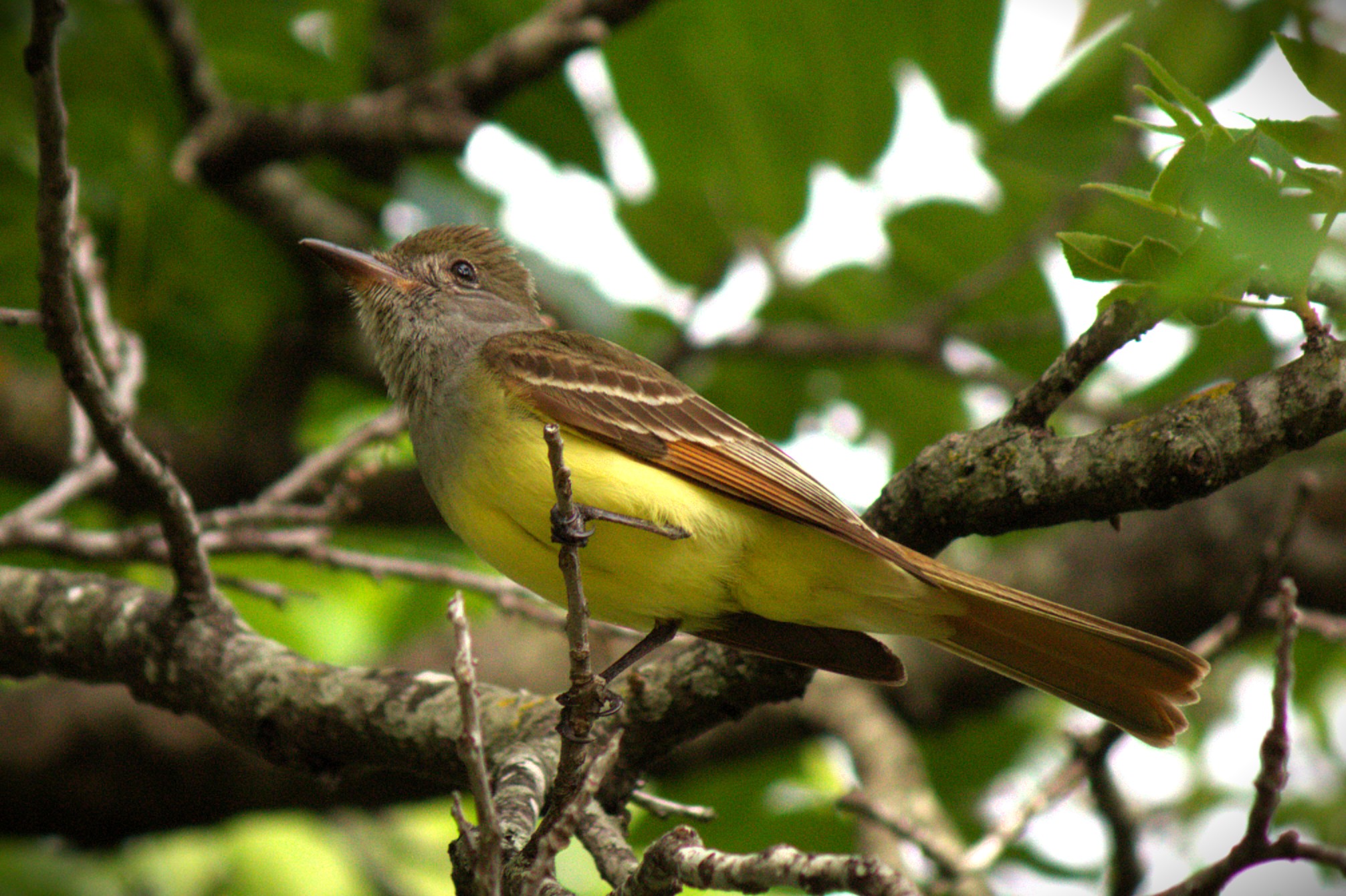
Secretary bird, bateleur eagle, African fish eagle, and various storks and herons concentrate around seasonal dams. Over 400 species recorded — exceptional for a capital city park.
Key Areas & Experiences
Despite its small size, Nairobi National Park rewards 3–4 hour morning drives across plains, riverine forest, and seasonal dams.
The primary circuit covers open grassland, seasonal dams, and the Athi River corridor. Lions, rhinos, cheetah, and 80+ other species encountered on a standard morning circuit.
The Mbagathi River’s forested margins shelter bushbuck and forest birds. The river walk is the park’s best forest birding area.
Visiting hours at 11am allow interaction with hand-reared orphan elephants and insight into one of Africa’s most important conservation programmes.
The African Fund for Endangered Wildlife’s centre allows hand-feeding of endangered Rothschild’s giraffes at eye level — particularly memorable for families.
Best Time to Visit Nairobi National Park
Nairobi National Park is productive in all seasons with permanent river systems.
Wildebeest migration increases wildlife density. Short grass improves predator visibility.
Park stays green. Bird diversity peaks with migratory arrivals.
Heaviest rainfall but the park remains largely accessible.
Curated Safaris Including Nairobi
Every Apes & Wildlife Safaris itinerary is tailor-made. These packages can be extended to include Nairobi National Park and other parks across Kenya.
12-Day Luxury Africa Trip and Zanzibar Island Beaches
Essential Tips for Nairobi National Park
Use as Arrival or Departure Activity
Nairobi National Park is the perfect first or last safari experience — wildlife on the day you land or the morning before you fly.
Visit David Sheldrick at 11am
One of East Africa’s most moving conservation experiences. Booking ahead required.
Combine with the Giraffe Centre
The Giraffe Centre and Karen Blixen Museum are both 20 minutes from the park — a compelling full-day Nairobi conservation and culture experience.
Go Before 8am
Wildlife is most active in the first two hours after dawn. Nairobi traffic is most manageable before 7am. Both incentives align.
Look for the Skyline Shot
The lion or giraffe against Nairobi’s skyline is one of Africa’s most distinctive images. The northern boundary circuit offers the best city backdrop.
Book a Private Vehicle
Weekends bring large visitor numbers. A private vehicle with an Apes & Wildlife Safaris guide ensures priority positioning for all key sightings.
Your Kenya Safari Awaits
Apes & Wildlife Safaris handles every detail — permits, transfers, expert guides, and hand-picked accommodation — from first enquiry to final sundowner.