Rwenzori Mountains National Park
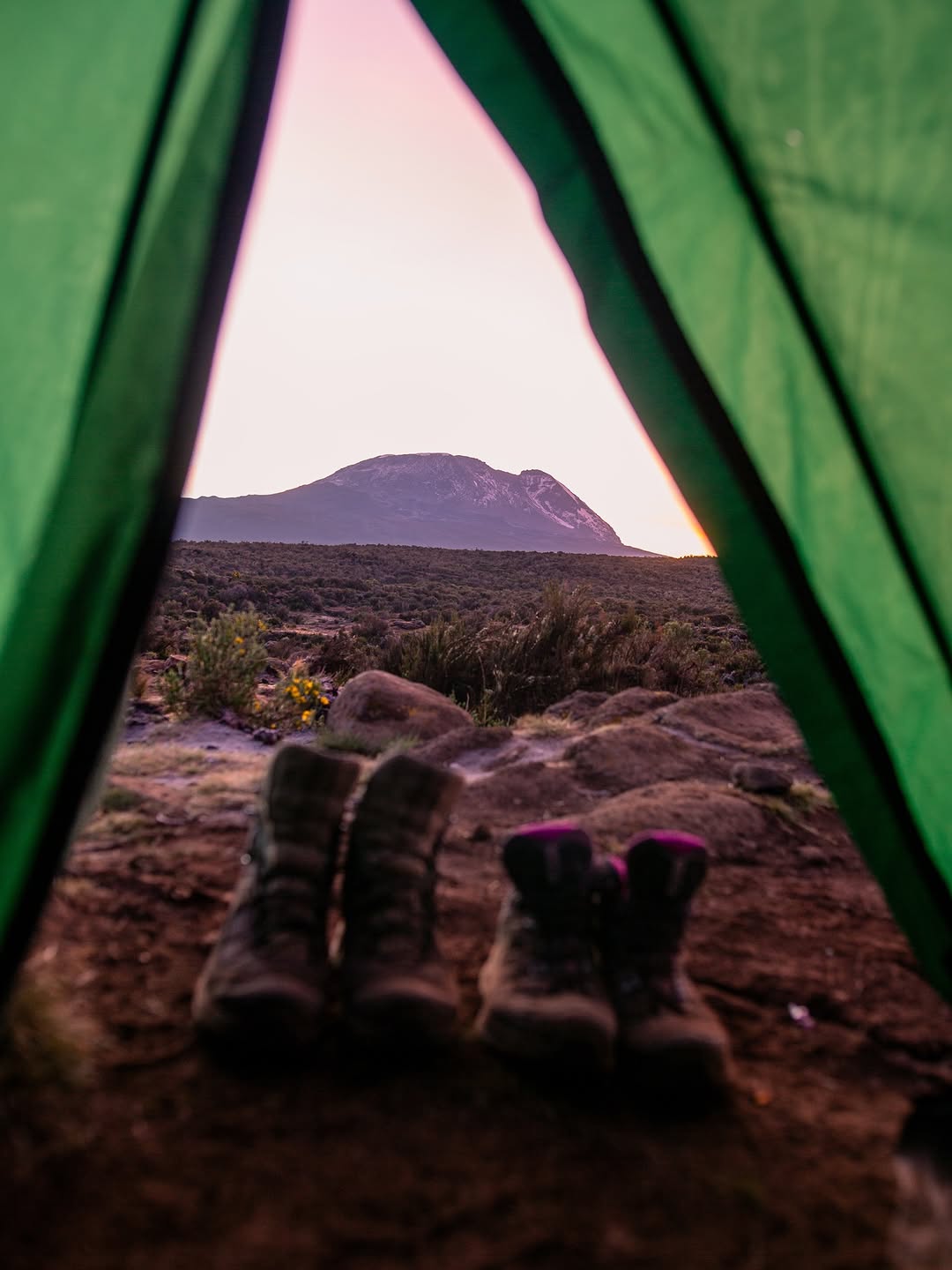
Africa’s third highest massif. Glaciers at the equator. Giant lobelias the size of trees. The Rwenzoris are Uganda’s most otherworldly landscape — a true Afroalpine wilderness beyond compare.
Glaciers at the Equator, Giant Plants in the Cloud
The Rwenzori Mountains — the mythical “Mountains of the Moon” that ancient cartographers placed at the source of the Nile — are one of Africa’s most extraordinary natural phenomena. Straddling the Uganda-Congo border, this UNESCO World Heritage massif rises to 5,109 metres at Margherita Peak — Africa’s third highest summit — and supports an ecological transition from tropical forest through bamboo, heath, and moorland to equatorial glacier.
What makes the Rwenzoris uniquely spectacular is their flora. Giant heathers grow 10 metres tall. Lobelias the size of small trees tower over the moorland. Groundsels reach 6 metres. Mosses drip from every branch in an ecosystem so alien it defies easy description — prehistoric, botanical, and utterly unlike any other montane environment on earth.
The Central Circuit Trek (7–10 days) is the classic Rwenzori experience, but shorter routes to Lake Mahoma and Bujuku are available. Apes & Wildlife Safaris partners with expert Rwenzori guides and provides all permits, equipment, and porter arrangements.
Shorter day hike permits from $30. Porter fees $15–20 per day per porter (strongly recommended). Full Central Circuit all-inclusive from $800 through Apes & Wildlife Safaris.
The Rwenzoris are consistently wet — proper waterproofs are essential, not optional. The mountains create their own weather regardless of season. Altitude sickness is a real risk above 4,000m. Trekking experience is required for the Central Circuit. Summit requires ice axe and crampon skills.
Wildlife & Natural Highlights
Afroalpine Botanical Wonder
Giant lobelia and giant groundsel — plants growing centimetres per year to reach 6m heights — create a landscape of Dr Seuss proportions. This extraordinary vegetation zone exists nowhere else on earth and is the Rwenzoris’ most astonishing feature.
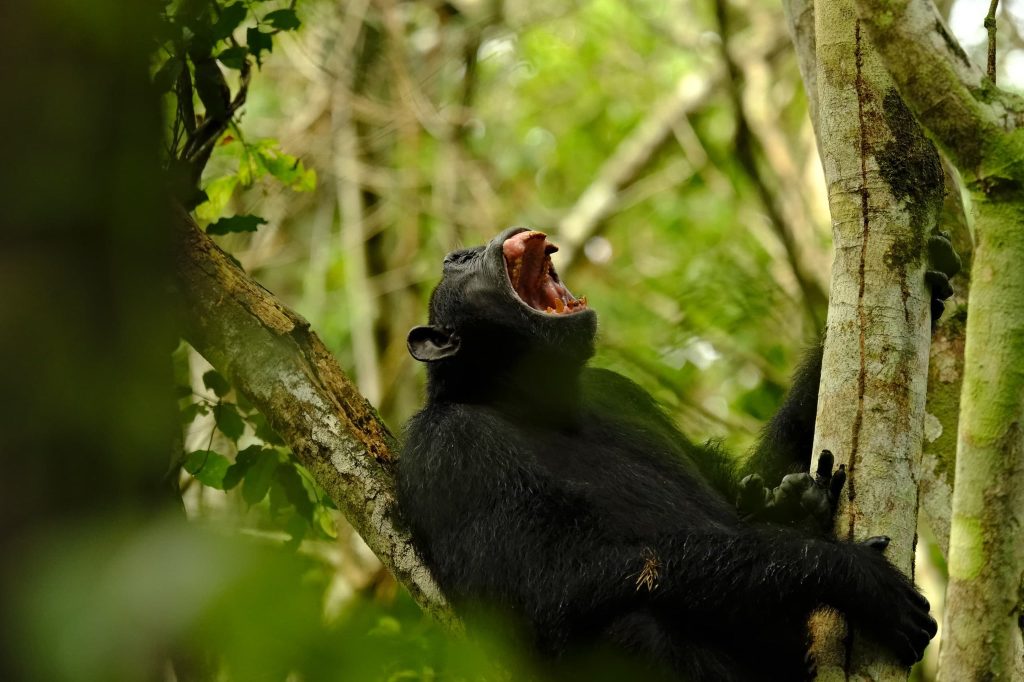
Chimpanzees & Colobus
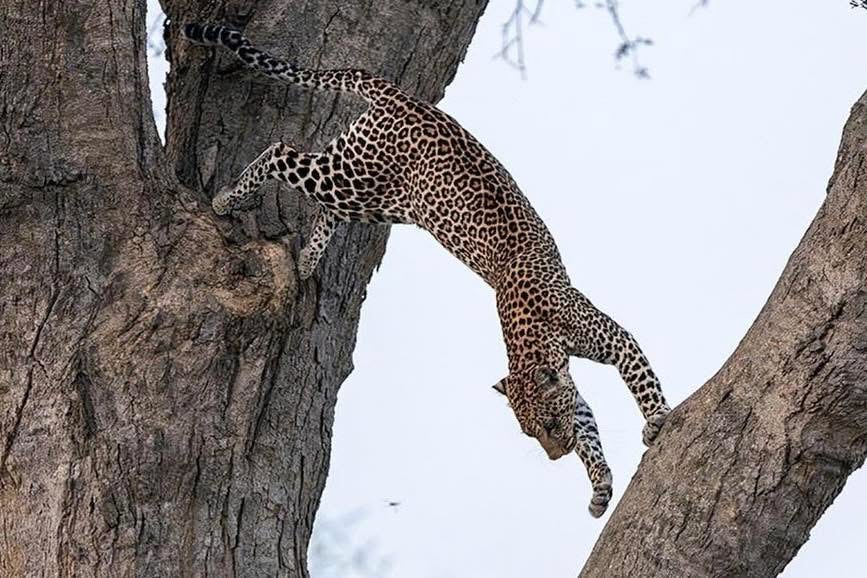
Forest zones below 3,000m harbour chimpanzees, black-and-white colobus, and forest elephants. Rwenzori leopard — a melanistic form — is occasionally seen. Hyrax are the most commonly encountered mammal at higher elevations.
Rwenzori Endemics
89 recorded species include 19 Albertine Rift endemics. Rwenzori turaco, Rwenzori nightjar, Strange weaver, and Rwenzori batis are the target species for birding trekkers on the mountain’s forested slopes.
Equatorial Glaciers
The Rwenzoris are one of Africa’s last equatorial glaciers. Margherita, Stanley, Elena, and Savoia glaciers remain accessible to summit trekkers. The summit plateau view — ice and equatorial Africa — is profoundly moving.
River Valleys & Cataracts
The Mubuku and Bujuku river valleys are threaded with waterfalls. The Bigo Bog at 3,900m is one of Africa’s highest swamps — surreal, peat-filled, and surrounded by giant plants beneath permanently clouded peaks.
Bakonzo Mountain People
The Bakonzo have lived on Rwenzori slopes for generations. Expert guides and porters with unparalleled knowledge of the mountain’s ecology, seasons, and hidden routes — irreplaceable for any serious Rwenzori expedition.
Key Areas & Experiences
From half-day waterfall walks to 10-day glacier summits, Rwenzori trekking scales to any ambition.
The definitive Rwenzori experience crossing all vegetation zones from forest to glacier. The circuit traverses the Bigo Bog, Bujuku Valley, and summits Margherita via Elena Glacier for those with mountaineering experience.
The most accessible multi-day route leads to Lake Mahoma (2,990m) through forest and bamboo, passing spectacular waterfalls. An excellent Rwenzori introduction for those not yet ready for the Central Circuit.
Half-day and full-day forest walks from Nyakalengija trailhead explore the lower slopes — primates, waterfalls, and the first giant lobelias. Appropriate for all fitness levels.
Africa’s third highest summit at 5,109m requires glacier skills, ice axes, and crampons. Apes & Wildlife Safaris provides certified guides with full technical equipment for summit-ready trekkers.
Best Time to Visit Rwenzori Mountains National Park
Relatively drier. Trails most stable, summit windows most frequent. Peak trekking window — book guides and permits well ahead.
Good conditions. Quieter than Jun–Aug. Summit visibility can be excellent in January and February.
Wetter but manageable. Vegetation at its most lush. Experienced trekkers who don’t mind mud often prefer this season.
Heaviest rainfall. Central Circuit not recommended for inexperienced trekkers. Day walks still feasible.
Curated Safaris Including Rwenzori
Every Apes & Wildlife Safaris itinerary is tailor-made for your group and can be customised to include Rwenzori Mountains National Park alongside other parks across Uganda.
Essential Tips for Rwenzori Mountains National Park
Invest in Quality Waterproofs
The Rwenzoris create their own weather system — expect rain daily regardless of season. Gore-Tex boots, gaiters, and a quality jacket are the most important equipment choices.
Take a Porter
Rwenzori porters carry 20kg loads over terrain that taxes unladen trekkers and possess mountain knowledge no guidebook can replicate.
Acclimatise in Kasese
Spending a night at Kasese (920m) before beginning allows initial acclimatisation. Build acclimatisation nights into the Central Circuit at Nyabitaba Hut before pushing higher.
Learn Your Giant Flora
Understanding giant lobelia, groundsel, and heather transforms the botanical experience from ‘weird plants’ to one of the world’s great ecological wonders.
Combine with Queen Elizabeth
The Rwenzoris and Queen Elizabeth share the Kasese base town. Combining a trek with a Queen Elizabeth game drive is our recommended western Uganda circuit.
Summit Only with Glacier Training
Margherita Peak requires glacier crossing. Ice axe and crampon skills are mandatory — Apes & Wildlife Safaris assesses experience and provides certified summit guides.
Your Uganda Safari Awaits
Apes & Wildlife Safaris handles every detail — permits, transfers, expert guides, and hand-picked accommodation — from your first enquiry to your final game drive.