Samburu National Reserve
Five species found nowhere else in Kenya. Reticulated giraffes. Grevy’s zebras with circular ears. Gerenuks feeding upright on thorny acacia. Samburu is Kenya’s semi-arid north — raw, dramatic, exclusive.
Rare Species Found Nowhere Else, Drama at the Ewaso Ng’iro River
Samburu National Reserve is Kenya’s northern frontier at its most dramatic — a semi-arid wilderness of doum palms, dry-country acacia, and seasonal luggas where five species found nowhere else in Kenya’s southern parks roam in abundance. The Samburu Special Five — Grevy’s zebra, reticulated giraffe, Beisa oryx, Somali ostrich, and gerenuk — are this reserve’s exclusive wildlife signature.
The Ewaso Ng’iro River, flowing through the reserve’s heart, is the ecological lifeline of all northern Kenya. Elephants drink at dawn. Leopards rest in riverine fig trees. Crocodiles cover every sandbank. The river creates some of Kenya’s most dramatic and intimate wildlife encounters — a completely different character from the open plains of the south.
Samburu carries deep cultural significance — the Samburu people, closely related to the Maasai, maintain their pastoralist traditions alongside conservation. Apes & Wildlife Safaris combines Samburu with the Maasai Mara for the complete Kenya experience.
Vehicle entry fees additional. Cultural village visits approximately $15–25 per person. All bookable through Apes & Wildlife Safaris.
Samburu is hot — semi-arid north averages 30°C. Pack light breathable clothing and high-SPF sunscreen. Malaria prophylaxis essential. Can be combined with adjacent Buffalo Springs and Shaba reserves for a 3-reserve northern circuit.
Wildlife & Natural Highlights
World’s Most Endangered Zebra
The Grevy’s zebra — larger than the common Burchell’s zebra, with narrower stripes and enormous circular ears — is critically endangered worldwide. Samburu hosts one of the world’s largest remaining populations.
Most Beautiful Giraffe Subspecies
The reticulated giraffe’s sharply defined geometric pattern — white lines on chestnut — is the most striking of all giraffe subspecies. Frequently seen at the Ewaso Ng’iro River in superb photographic settings.
The Giraffe-Gazelle
The gerenuk’s extraordinary long neck allows it to feed standing completely upright on high acacia branches — a posture no other antelope achieves. This slender, improbably graceful animal is Samburu’s most singular wildlife sight.
River Tree Specialist
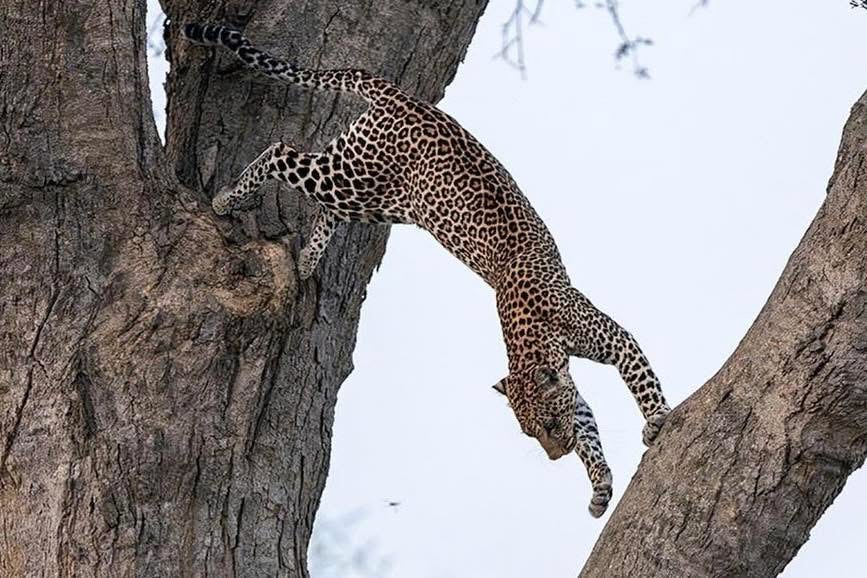
Samburu is one of Kenya’s finest leopard destinations. Resident leopards inhabit the Ewaso Ng’iro’s riverine fig trees and are well-habituated to vehicles. Dawn river drives consistently produce sightings.
River Dawn Gatherings
Large elephant families gather at the Ewaso Ng’iro at dawn and dusk. With doum palms and riverine forest as backdrop, Samburu’s elephant photography differs entirely from the southern parks.
450+ Dry Country Birds
Vulturine guineafowl, golden-breasted starling, eastern chanting goshawk, and the extraordinary Somali ostrich make Samburu a premier dry-country birding destination unavailable anywhere in southern Kenya.
Key Areas & Experiences
Samburu, Buffalo Springs, and Shaba form an interconnected ecosystem. Most itineraries cover Samburu and Buffalo Springs across 2–3 days.
The river delivers elephant families, leopards in fig trees, crocodiles, hippos, and prolific water birds every morning. The riverfront drive is Samburu’s single most productive game drive route.
The open acacia plains are where Samburu’s Special Five are most reliably encountered. Grevy’s zebra, reticulated giraffe, Beisa oryx, and gerenuk are abundant on morning drives.
Shares animals freely with Samburu across the common boundary. A slightly different landscape that extends the morning drive variety significantly.
The most remote of the three reserves — volcanic rock formations, doum palm rivers, and very few other visitors. Made famous by Joy Adamson’s Leopard book.
Best Time to Visit Samburu National Reserve
Best wildlife viewing — animals concentrated at the river. Special Five most visible on short-grass plains.
Excellent conditions, dramatic clear skies. Best light for photography in the cool morning air.
Light rains green the landscape. Bird diversity peaks. Reserve roads generally passable.
Heaviest rain. Some tracks challenging. River wildlife remains excellent year-round.
Curated Safaris Including Samburu
Every Apes & Wildlife Safaris itinerary is tailor-made. These packages can be extended to include Samburu National Reserve and other parks across Kenya.
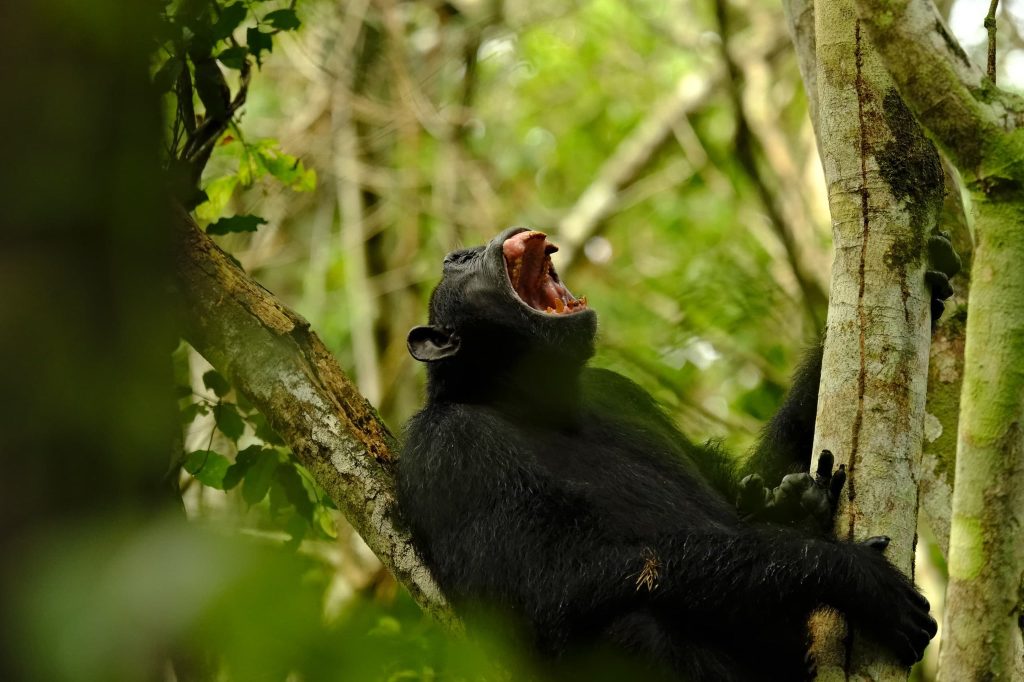
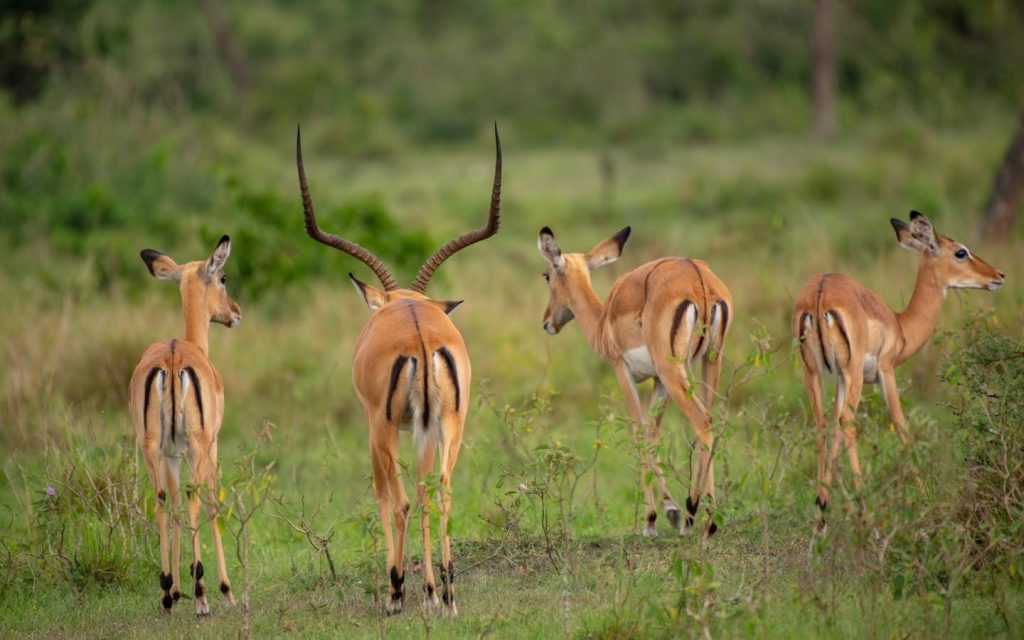
12-Day Luxury Africa Trip and Zanzibar Island Beaches
Essential Tips for Samburu National Reserve
Focus on the River at Dawn
The Ewaso Ng’iro at dawn — elephants drinking, leopards in fig trees, and first light on the doum palms — is Samburu’s most magical wildlife hour.
Learn the Special Five Before Arrival
Brief yourself on each species. Recognising a Grevy’s zebra from a common zebra, or a standing gerenuk feeding, transforms sightings from species counts to genuine wildlife understanding.
Combine with the Maasai Mara
Samburu and the Mara are the classic Kenya north-south combination — completely different ecosystems, wildlife, and culture delivering the full breadth of Kenya.
Do an Early Morning Walk
Walking safaris with armed rangers offer on-foot tracking, edible plants, and the landscape’s smaller wildlife unavailable from a vehicle.
Visit a Samburu Village
Cultural encounters with Samburu warriors, bead-making demonstrations, and insight into a pastoral culture that has coexisted with lions for centuries.
Extend to Shaba
Shaba’s volcanic landscape and near-total absence of other tourists extends the Samburu experience into genuinely remote African wilderness.
Your Kenya Safari Awaits
Apes & Wildlife Safaris handles every detail — permits, transfers, expert guides, and hand-picked accommodation — from first enquiry to final sundowner.