
Semuliki National Park
A tongue of Congo rainforest reaching into Uganda. Semuliki’s sweltering lowlands hold species found nowhere else in East Africa — birding’s holy grail and primatology’s western frontier.
Birding’s Final Frontier in Uganda’s Hottest Forest
Semuliki National Park is Uganda’s most ecologically unusual protected area — a steaming outlier of Congo Basin lowland rainforest in Uganda’s western Rift Valley. While Uganda’s other forests are Albertine Rift montane, Semuliki is lowland and Congo-affiliated, hosting a completely different suite of species — many found nowhere else in Uganda or East Africa.
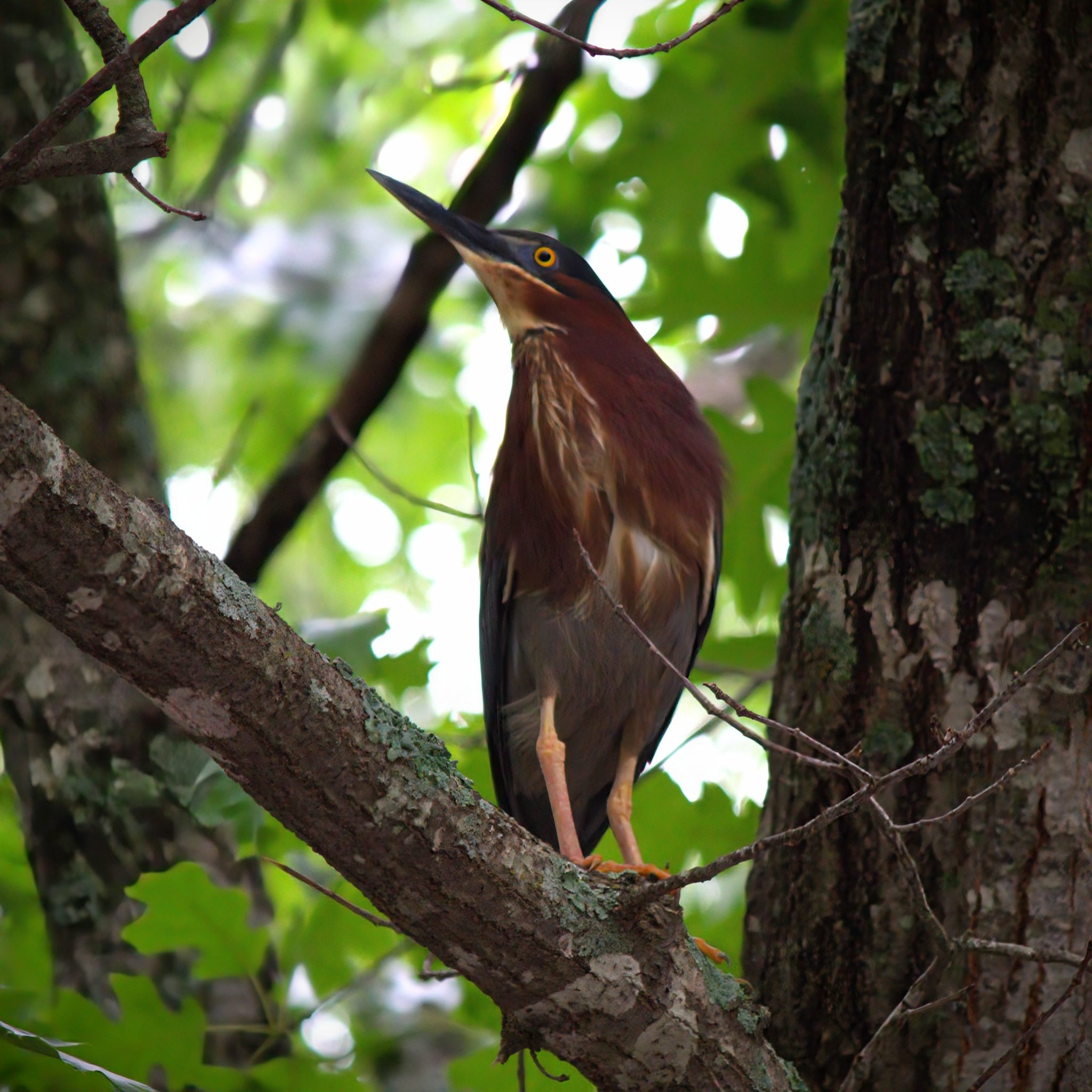
For serious birdwatchers, Semuliki is one of Africa’s most coveted destinations — over 440 species including 23 Congo Basin endemics found nowhere else in Uganda. African piculet, Nkulengu rail, Congo serpent eagle, and African dwarf kingfisher are among the targets. A dedicated Semuliki birding day routinely yields 100+ species.
Beyond the birds, the Sempaya Hot Springs — boiling geysers erupting from the forest floor — are among Uganda’s most dramatic geological features. Apes & Wildlife Safaris includes Semuliki in specialist birding Uganda itineraries.
Guided birding walks from $20 per person (ranger fee). Sempaya Hot Springs walk approximately $10. All activities bookable through Apes & Wildlife Safaris.
Semuliki is hot, humid, and mosquito-dense — malaria prophylaxis essential and long sleeves mandatory. Start all forest walks at 6–7am to beat the heat and catch peak bird activity. Tsetse flies present in floodplain areas. Leeches abundant in wet season — pack leech socks.
Wildlife & Natural Highlights
441 Species · 23 Endemic
African piculet, Nkulengu rail, black dwarf hornbill, red-billed dwarf hornbill, Congo serpent eagle, and Afep pigeon are key targets. The Congo Basin affiliation brings species found nowhere else in Uganda.
Red-Tailed & Mangabey Monkeys
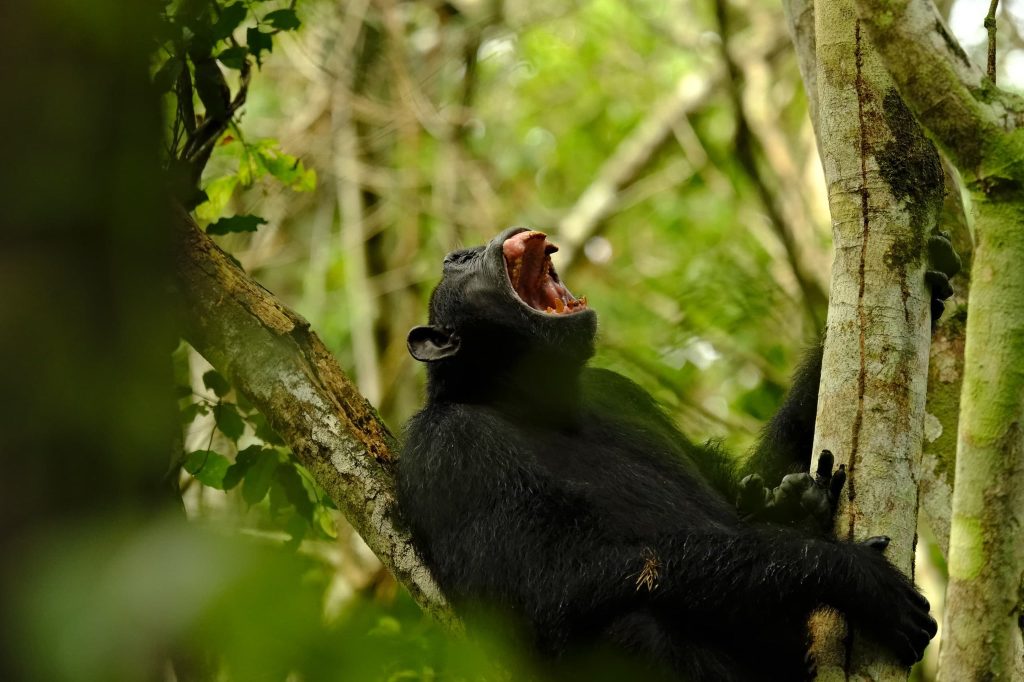
Red-tailed monkeys, grey-cheeked mangabeys, olive colobus, and black-and-white colobus inhabit the forest. Semuliki is the western limit for several Congo Basin primate species in Uganda.
Sempaya Geological Wonder
The Sempaya Hot Springs bubble at 100°C from the forest floor. The surrounding wetland is excellent for forest birds and butterflies. A dramatic reminder that the Western Rift Valley remains geologically active.
Congo Basin Mega-Fauna
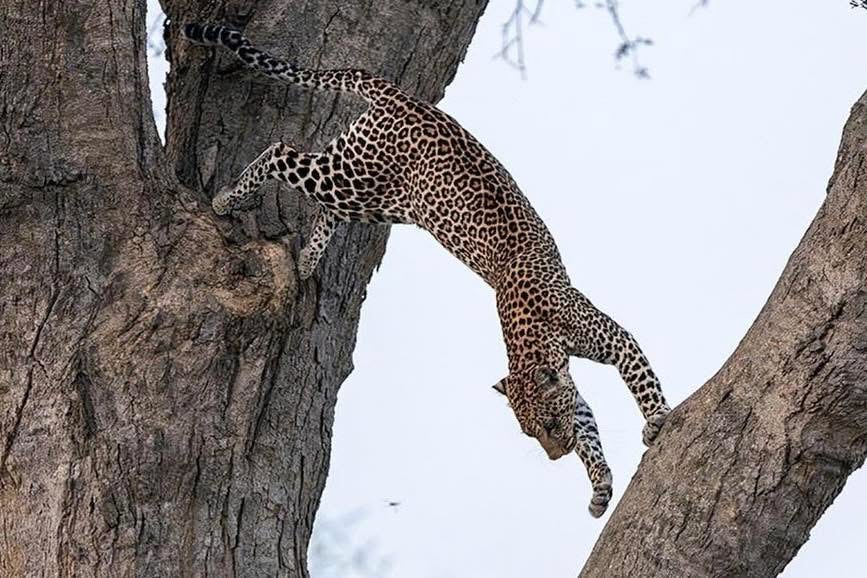
Forest elephants move between Toro-Semliki Reserve and Semuliki National Park. Buffalo, African golden cat, and giant forest hog are present but rarely seen in the dense vegetation.
500+ Species
Semuliki supports one of Uganda’s richest butterfly communities — over 500 species including many Congo Basin endemics. The forest floor and stream margins at Sempaya are particularly productive.
Sacred Springs Heritage
The Batwa people hold the Sempaya Hot Springs sacred, naming the two main geysers (Nyasimbi — female, Bintente — male) with spiritual significance. The Batwa guide program offers insights into this extraordinary cultural relationship.
Key Areas & Experiences
Semuliki’s primary experiences are the Red-tailed Monkey Trail, the Sempaya Hot Springs walk, and the Kirumia River dawn birding walk.
The 1–2 hour trail through classic Congo lowland rainforest. Primates, birding, and an atmosphere fundamentally different from any other Uganda forest — steaming, dripping, alive at ground level.
2km trail to the hot springs complex. The female spring (Nyasimbi) erupts to 2 metres. Butterflies and birds concentrate around the springs in remarkable numbers.
Semuliki’s prime birding zone. Full-day walks starting before dawn regularly yield Congo Basin endemics, forest kingfishers, and the rare sungrebe on quiet backwater channels.
Adjacent to the park, the Reserve offers chimp tracking and additional birding. A combined itinerary delivers western Uganda’s most comprehensive wildlife experience.
Best Time to Visit Semuliki National Park
Fewer leeches, firmer trails, peak bird activity. Semuliki’s most pleasant visiting window.
Good conditions with reduced leech activity. More manageable temperatures.
Light rains begin. Butterflies most diverse. Birding remains excellent year-round.
Trails slippery, leeches abundant. Forest at its most lush. Congo endemic species don’t migrate — serious birders visit year-round.
Curated Safaris Including Semuliki
Every Apes & Wildlife Safaris itinerary is tailor-made for your group and can be customised to include Semuliki National Park alongside other parks across Uganda.
Essential Tips for Semuliki National Park
Start Your Forest Walk at 6am
Congo Basin birds are most active at dawn. A 6am start dramatically increases species count and avoids the punishing midday heat.
Hire a Specialist Bird Guide
Semuliki’s Congo endemics require specialist knowledge. Apes & Wildlife Safaris works with Semuliki-specialist guides who know every territory and call.
Pack Leech Socks in Rainy Season
Dedicated leech socks worn over boots and insect repellent dramatically reduce unpleasant forest floor encounters.
Visit the Hot Springs at Midday
Springs are most dramatic in midday heat when steam is most visible. Combine a morning bird walk with a midday springs visit.
Combine with Fort Portal
Semuliki is 45 minutes from Fort Portal — Uganda’s most charming highland town with crater lake scenery. A perfect base for a Semuliki day.
Don’t Miss the Kirumia River
The Kirumia River floodplain is Semuliki’s birding masterpiece. Sungrebe, African finfoot, and various forest kingfishers make this Uganda’s most productive single birding location.
Your Uganda Safari Awaits
Apes & Wildlife Safaris handles every detail — permits, transfers, expert guides, and hand-picked accommodation — from your first enquiry to your final game drive.